
The rituals surrounding death and the manner in which we bid farewell to our loved ones have undergone dramatic changes over the centuries. In many cultures, traditional burial services have held significant importance, symbolising respect and reverence for the deceased.
However, as society evolves and new ideas about death and remembrance emerge, one might wonder: are traditional burial services still common today? This question challenges long-held customs, especially as alternative options like cremation, green burials, and memorial services gain popularity.
The customs associated with traditional burial services, including elaborate ceremonies, casketed bodies, and burial plots in cemeteries, have remained largely unchanged for generations. For many, these rituals are not just about honouring the dead; they serve as an essential part of the grieving process, providing a sense of closure. Yet, as urbanisation and changing attitudes toward the environment and sustainability influence how people live, they also affect how they choose to say goodbye.
In the present day, however, more families are considering alternative methods of final disposition. With an increasing number of people opting for cremation, eco-friendly burial options, or even space burials, the question remains whether traditional burial services can maintain their place in an ever-changing world.
Traditional burial services, with their established procedures and expected formalities, face new competition from these choices. But are these newer options truly on the rise, or is there still a place for the age-old customs of burial?
Shifting Attitudes Towards Death and Burial Practices
The Role of Cultural and Religious Influences
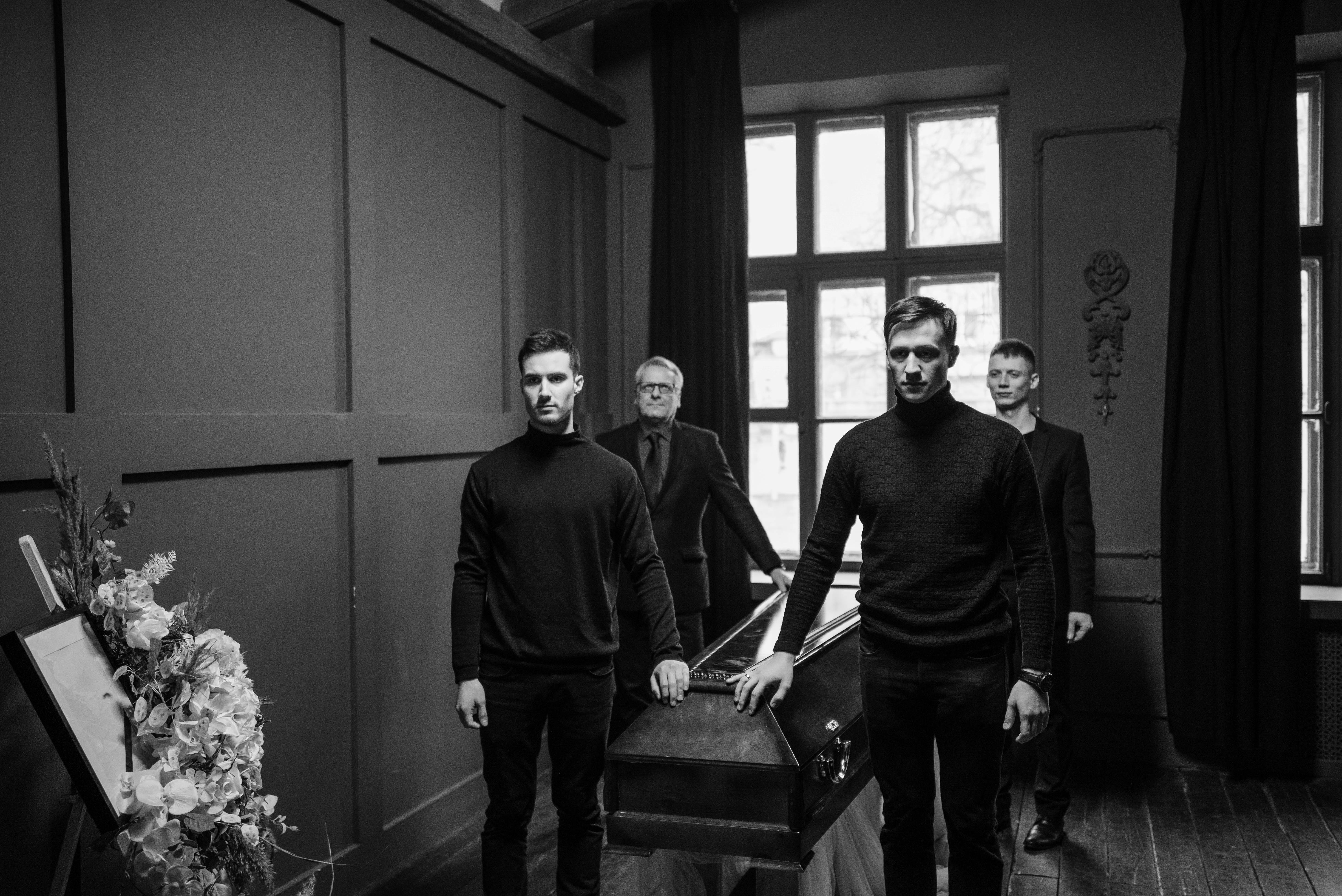
Death and burial customs are heavily influenced by culture and religion. For centuries, many religious traditions have placed a strong emphasis on burial as a method of laying the dead to rest. In Christianity, Islam, Judaism, and several other religions, traditional burial services are not only a rite of passage for the deceased but also a crucial component of a believer’s afterlife. These spiritual and cultural practices often dictate the details of the burial process, from the choice of casket to the specific prayers and rituals carried out.
However, as the world becomes more secular, the influence of religion on death practices has begun to wane. While many people continue to honour traditional burial practices for religious reasons, others are opting for more personalised memorial services that reflect their own beliefs and values. Even within religious communities, some individuals are exploring alternative burial options, such as cremation, which once carried a stigma but has since gained broader acceptance.
Environmental Concerns and the Rise of Green Burials
As environmental consciousness grows, so too does the popularity of green burials. These environmentally-friendly alternatives to traditional burial services emphasise the natural return of the body to the earth. Instead of using traditional caskets made of hardwood or metal, green burials often involve biodegradable materials such as wicker or shrouds, and the burial process avoids the use of embalming fluids or chemicals that can harm the environment.
This shift is driven by a desire to reduce one’s environmental impact after death. As people become more aware of the strain that traditional burial services place on the planet — including the extensive use of land and resources — they are seeking more sustainable options. Green burials provide an ethical and eco-friendly alternative, appealing to those who wish to make a positive environmental statement even in death.
Cremation: A Popular Alternative to Traditional Burial Services
Cremation has steadily risen in popularity in recent years, overtaking traditional burial services in many parts of the world. The reasons for this shift vary. For some, the appeal lies in the simplicity and affordability of cremation, which typically costs significantly less than a traditional burial. Cremation also offers greater flexibility in memorialization, allowing families to scatter ashes in meaningful places or keep them in decorative urns at home.
The shift toward cremation can also be attributed to changing social attitudes toward death. Many people today seek to avoid the often expensive and elaborate funeral process that accompanies a traditional burial. As funeral homes adopt more creative and personalised approaches to memorial services, cremation allows families to focus more on celebrating the life of the deceased, rather than adhering to longstanding traditions.
Technological and Innovative Funeral Options
Advancements in technology have also played a significant role in transforming the way we handle death and memorialization. For example, space burials, where a portion of the deceased’s ashes is sent into orbit, have captivated the imaginations of those who seek a unique and futuristic way of honouring their loved ones. Others opt for digital memorials, such as creating online tribute pages or using holograms to create virtual experiences that allow people to ‘visit’ their loved ones.
Additionally, biodegradable urns that can plant trees or flowers in memory of the deceased are becoming a popular choice for families seeking both eco-friendliness and symbolism in their memorials. As technology continues to progress, more innovative ways of memorialising the dead will likely emerge, offering even more options beyond traditional burial services.
Are Traditional Burial Services Still Relevant Today?
The Enduring Legacy of Traditional Burial Services
Despite the rise of alternative methods of final disposition, traditional burial services continue to hold strong relevance in many communities. For individuals with deep religious or cultural ties to burial traditions, these services offer comfort and a sense of continuity. Burial remains a longstanding way to honour the deceased and provide closure for grieving families.
In addition, the emotional significance of burial cannot be understated. Many people find solace in the idea of a permanent resting place for their loved ones, a physical location that they can visit to reflect, mourn, and remember. For some, this ritual is not only about honouring the deceased but also about maintaining a connection to the past, fostering a sense of community, and offering a tangible way of preserving memories.
The Economic Factor in Choosing Burial Services
Economic considerations also influence the decision to opt for traditional burial services. While cremation can be a more affordable alternative, the costs of burial can vary significantly depending on location, the type of service desired, and the price of a plot in a cemetery. In many regions, burial is seen as a more prestigious choice, especially when considering family plots and mausoleums.
As economic factors play a larger role in funeral decisions, some families may feel pressured to choose a traditional burial over alternatives, even if they are more environmentally conscious or personally inclined to explore other options. Moreover, the emotional weight that often accompanies burial can make it a preferred choice for those who want to preserve the memory of their loved ones familiarly and traditionally.
Are Alternatives Really Displacing Traditional Burial?
Although alternatives like cremation and green burials are gaining traction, they have not entirely displaced traditional burial services. In many communities, especially those with deep-rooted cultural or religious ties to burial practices, traditional burials remain the preferred option. While newer options offer flexibility and personalised memorials, they have yet to replace the emotional significance and social expectations that surround traditional burial services.
However, the landscape of death and burial practices is changing. As people become more aware of the environmental impact and financial costs of traditional burial services, they are increasingly exploring options that align with their personal values. But the persistence of traditional burial services indicates that they will likely remain a staple in many societies for years to come.
Frequently Asked Questions
Is cremation cheaper than a traditional burial?
Yes, cremation is typically more affordable than traditional burial. Traditional burial services often include the cost of a casket, burial plot, and funeral home services, all of which can add up significantly. In comparison, cremation costs are generally lower, with fewer items involved in the process.
Are green burials legal everywhere?
Green burials are legal in many places, but the regulations vary by region. Some areas have specific green burial sites, while others may allow green burials in natural reserves or private land. It is essential to check local regulations regarding the legality of green burials.
Can a person be buried in a biodegradable casket?
Yes, biodegradable caskets are available for green burials. These caskets are made from natural materials such as wood, wicker, or cardboard and are designed to decompose over time, allowing the body to return to the earth in a more eco-friendly manner.
Conclusion
The shift toward more diverse and sustainable options for afterlife rituals reflects a broader cultural change in how we view death. While traditional burial services have not disappeared, they are now part of a much larger conversation about how we honour the deceased and what it means to leave a legacy.
Whether due to religious beliefs, environmental concerns, or the desire for more personalised memorials, people today have more options than ever before when it comes to choosing a final resting place. Yet, the enduring appeal of traditional burial services proves that, for many, the time-honoured practices will always remain an important part of how we say goodbye.